
Who Pays, Who Profits – and What New Zealand Taught the World
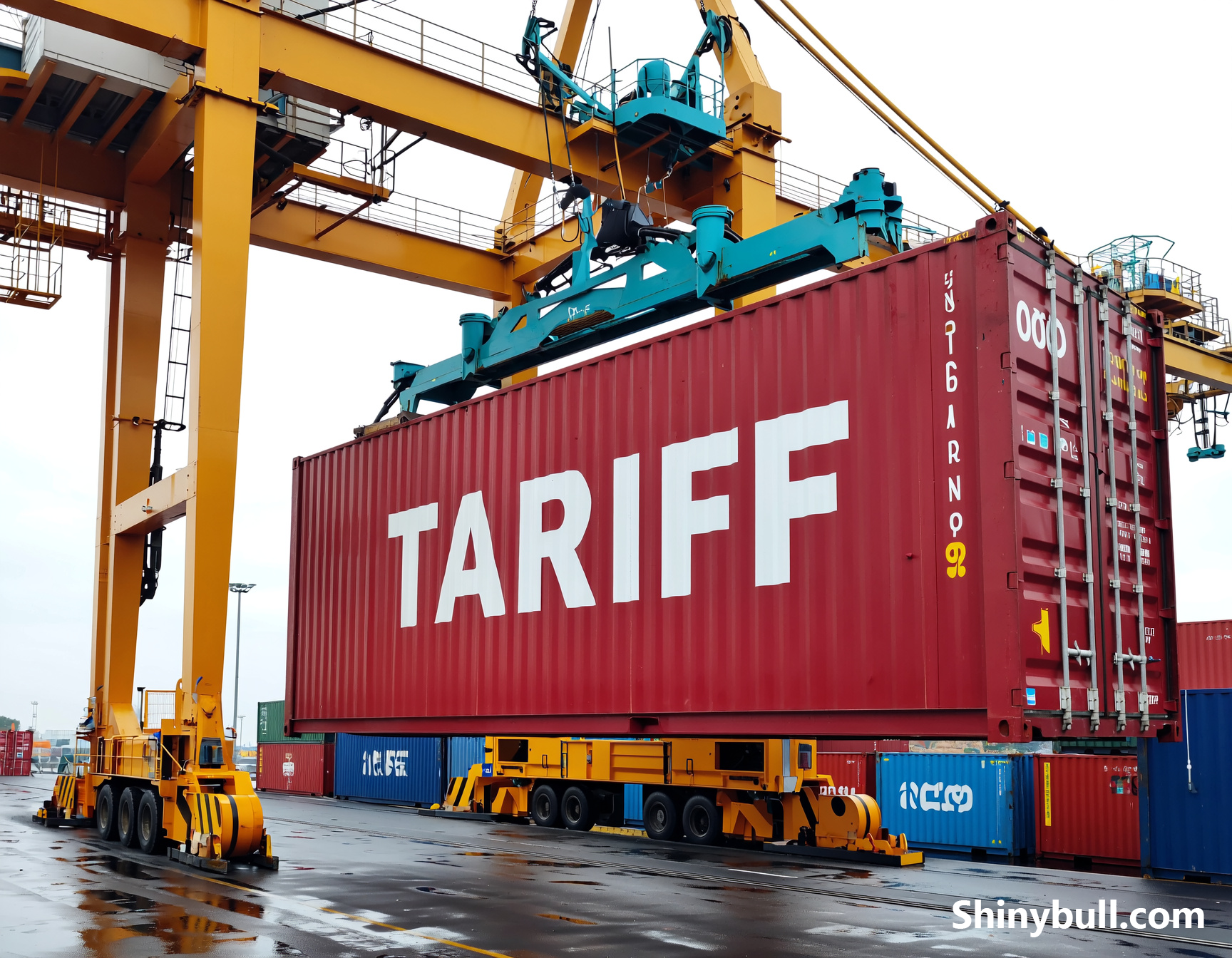
Tariffs have returned to the center of economic debate, largely driven by the resurgence of protectionist thinking in the United States. Under Donald Trump, tariffs were framed as a tool to restore American strength: protect domestic jobs, rebuild industry, and rebalance trade.
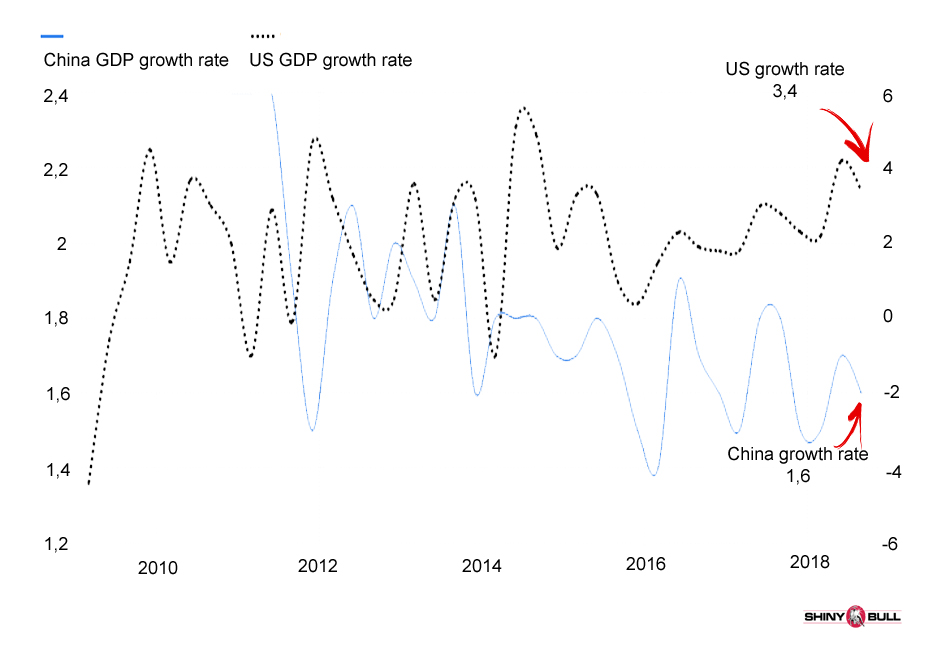
And on the surface, the story seems compelling. U.S. growth has outperformed much of Europe in recent years. Employment has remained strong. Manufacturing investment has picked up in selected sectors. To many observers, tariffs appear to “work.”
But economics has a habit of asking an uncomfortable question: who actually pays?
The Hidden Tax on Consumers
A tariff is often described as a tax on foreign producers. In practice, it is far more accurately described as a consumption tax paid at home.
When the U.S. imposes tariffs, import prices rise. Those costs are passed through supply chains and land, quietly, on consumers. There is no line on the receipt saying “tariff paid,” but the effect is real: higher prices, less choice, reduced purchasing power.
Tariffs are politically attractive precisely because they are invisible. Unlike income tax or VAT, they do not trigger a clear political backlash. Everyone pays a little more, spread across millions of transactions. The burden is diffuse; the beneficiaries are concentrated.
Who Actually Benefits?
Tariffs do not benefit “the economy” in general. They benefit specific, protected groups.
- Domestic producers shielded from foreign competition.
- Firms with political influence or strategic importance.
- Workers in protected industries — at least in the short to medium term.
This is why tariffs persist. The winners know who they are. The losers rarely do.
From a political economy perspective, tariffs function as a solidarity mechanism: many consumers pay slightly higher prices so a smaller group can maintain jobs, income, and market position. In that sense, protectionism is not the opposite of redistribution — it is redistribution, just without calling it that.
One could even argue, somewhat ironically, that Trump’s tariff policy resembles a form of nationalist social democracy: collective sacrifice in the name of domestic stability.
Does It Work?
In the short term, yes — sometimes.
Protection can stabilize industries, preserve employment, and support investment during periods of adjustment or geopolitical stress. The U.S. growth story cannot be dismissed outright.
But the long-term risk is structural. Tariffs reduce competitive pressure. They reward incumbency over innovation. Over time, protected sectors may survive — but become less dynamic, less efficient, and more politically dependent.
History shows that protection rarely remains temporary.
A Natural Experiment: New Zealand
If tariffs and subsidies are a form of hidden solidarity, New Zealand offers a rare counterexample.
In the mid-1980s, New Zealand abruptly removed almost all agricultural subsidies — one of the most radical policy shifts ever attempted in a developed economy. At the time, farming was heavily protected. Many believed the sector would collapse.
The short-term pain was real. Some farms failed. Debt and distress followed. Politically, it was deeply unpopular.
But then something unexpected happened.
Farmers adapted. Productivity rose sharply. Inefficient practices disappeared. Innovation, specialization, and export competitiveness surged. Today, New Zealand’s agricultural sector is among the most efficient in the world — with virtually no subsidies.
The system did not preserve every producer. It preserved the outcome.
The Trade-Off We Rarely Admit
Tariffs and subsidies are not free. They are paid for – quietly – by consumers. They protect jobs, but they also lock in structures. They buy stability today at the cost of flexibility tomorrow.
New Zealand chose volatility and adaptation. Many countries choose protection and continuity. Neither path is costless.
But one lesson stands out:
When markets are shielded too long, the bill does not disappear – it grows.
Final Thought
Tariffs are not an economic mistake. They are a political choice.
They ask many to pay a little so a few can earn a lot. They feel painless — until inflation, stagnation, or fiscal pressure exposes the invoice.
New Zealand showed that removing protection does not destroy an economy. It forces it to grow up.
And in the end, that may be the most expensive lesson of all.
If you want the full picture, deeper analysis, and insights you won’t find in the headlines, Shiny bull is here to guide you. Subscribe and stay ahead of the curve.

Disclaimer: The views expressed in this article are those of the author and may not reflect those of Shinybull.com. The author has made every effort to ensure the accuracy of the information provided; however, neither Shinybull.com nor the author can guarantee the accuracy of this information. This article is strictly for informational purposes only. It is not a solicitation to make any exchange in precious metal products, commodities, securities, or other financial instruments. Shinybull.com and the author of this article do not accept culpability for losses and/ or damages arising from the use of this publication.



 Ket Garden
 Business, Politics, Finans