
Tag Archives: WEF

Trump and Greenland: The Deal That Changed the Arctic

For decades, the United States has viewed Greenland as a strategically vital territory. Since World War II, American military planners and policymakers have understood its importance for Arctic security, global defense systems, and access to critical resources. What previous administrations discussed quietly behind closed doors, Donald Trump chose to say openly.

Trump said he wanted Greenland.

The reaction from legacy media was immediate and furious. Denmark was outraged. European leaders, including Emmanuel Macron, criticized the idea. Headlines mocked Trump, calling the proposal absurd, imperialistic, even dangerous. Once again, the familiar narrative returned: Trump the dictator, Trump the destabilizer, Trump the man destroying NATO and threatening the world order.

But while the media screamed, Trump stayed calm. Smiling. Stoic.
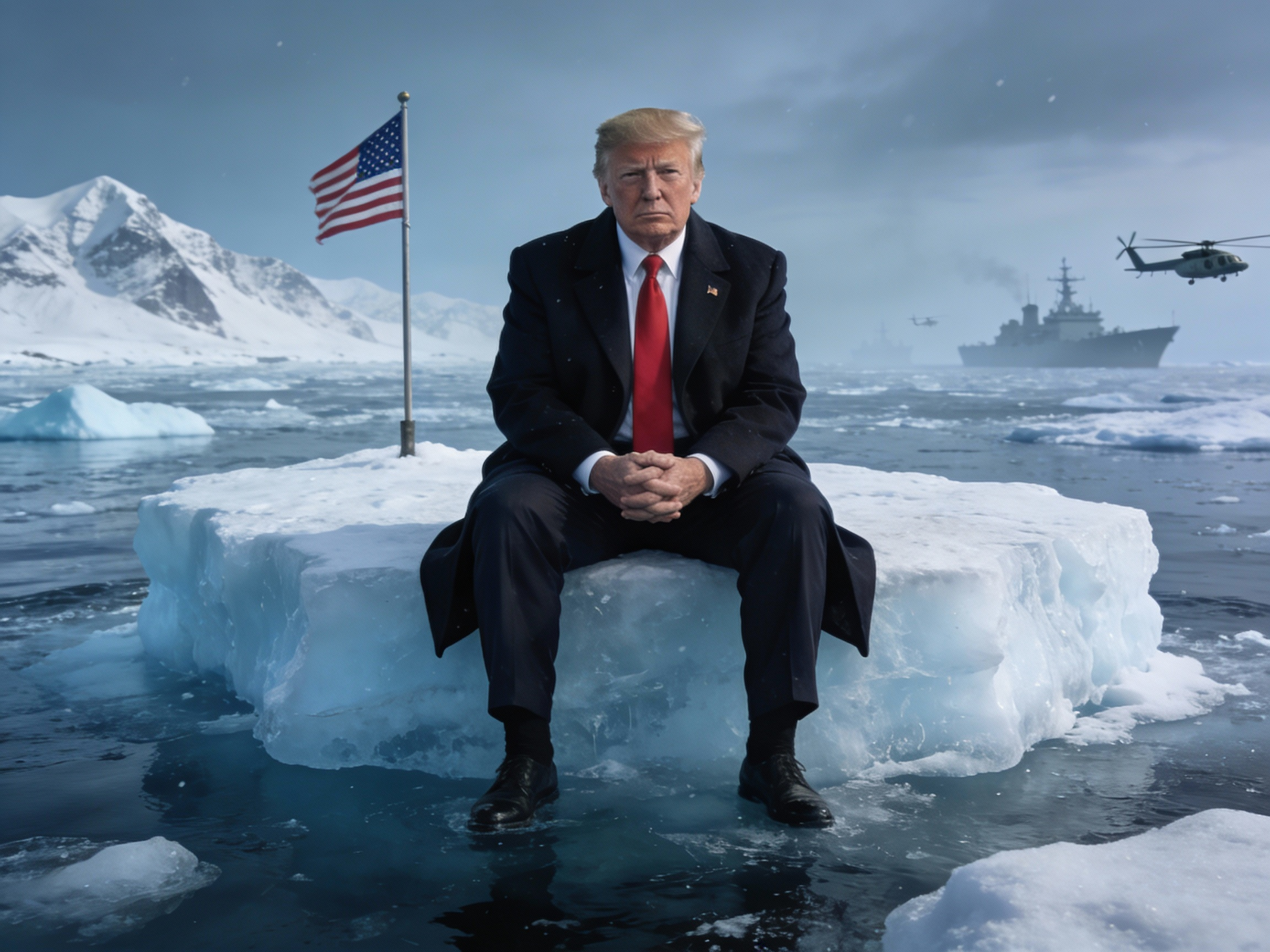
Behind the scenes, something very different was happening.

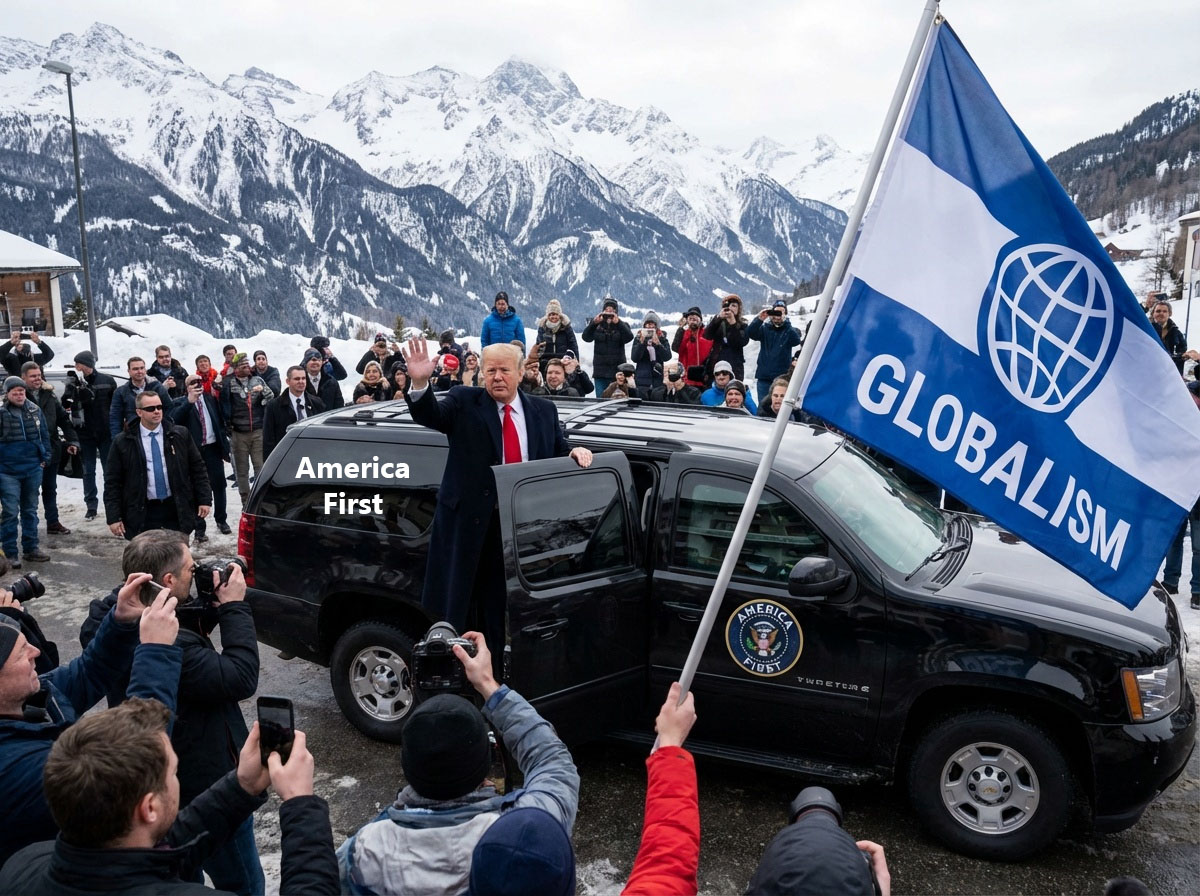
This week, President Donald Trump arrived in Davos, Switzerland, to attend the World Economic Forum (WEF). Surrounded by the world’s global elites—the very same figures who openly despise him—Trump showed up with a large delegation and a clear agenda: make deals.

And one of the biggest deals was Greenland.

After a high-level meeting with NATO Secretary General Mark Rutte, Trump announced that a framework agreement concerning Greenland—and the wider Arctic region—had been reached. An outcome many in the legacy media had declared impossible.

In a statement released earlier today, Trump wrote:

“Based upon a very productive meeting that I have had with the Secretary General of NATO, Mark Rutte, we have formed the framework of a future deal with respect to Greenland and, in fact, the entire Arctic Region.

This solution, if consummated, will be a great one for the United States of America, and all NATO Nations. Based upon this understanding, I will not be imposing the tariffs that were scheduled to go into effect on February 1st.

Additional discussions are being held concerning the Golden Dome as it pertains to Greenland. Further information will be made available as discussions progress. Vice President JD Vance, Secretary of State Marco Rubio, Special Envoy Steve Witkoff, and others will lead the negotiations and report directly to me.”

In simple terms: Trump made a deal.

Greenland matters because it is one of the most strategic territories on Earth. As Arctic ice melts, new shipping routes open and access to vast mineral reserves becomes possible. China and Russia have both aggressively positioned themselves in the Arctic, seeking influence, infrastructure, and control over rare-earth minerals critical to modern technology, defense systems, and energy.

China already holds a near-monopoly on many of these minerals.

Greenland changes that.

According to Trump, the framework agreement includes mineral rights, defense cooperation, and integration into a broader NATO security architecture—including the proposed “Golden Dome” defense system. With American capital, technology, and expertise, Greenland’s resources can be developed responsibly, reducing Western dependence on China and strengthening collective security across Europe and North America.

This is not just a win for the United States. It is a win for the West.

For years, Europe has depended on American security while criticizing American leadership. Trump reversed that dynamic. He forced allies to negotiate seriously, share responsibility, and think strategically about the future of the Arctic.

The backlash from globalists is predictable. Trump does not speak their language. He does not respect their rituals. He does not submit to unelected institutions or consensus-driven politics. Instead, he negotiates power, territory, resources, and security—openly.

What we are witnessing is not chaos. It is a transition.

The old world order is fading. Globalism as an ideology is losing credibility. In its place, a new era is emerging—what some describe as civilizationism: a worldview that recognizes distinct civilizations, national sovereignty, cultural identity, and strategic self-interest.

Trump’s Greenland deal is not just about land or minerals. It is about redefining power in a multipolar world.

And despite what the legacy media claims, Trump didn’t lose control.

He won Greenland.

Disclaimer: The views expressed in this article are those of the author and may not reflect those of Shinybull.com. The author has made every effort to ensure the accuracy of the information provided; however, neither Shinybull.com nor the author can guarantee the accuracy of this information. This article is strictly for informational purposes only. It is not a solicitation to make any exchange in precious metal products, commodities, securities, or other financial instruments. Shinybull.com and the author of this article do not accept culpability for losses and/ or damages arising from the use of this publication.
Leave a comment

Filed under Politics

Trump vs. the Global Elite at WEF

Every year, the world’s economic elite gather in Davos, Switzerland, for the World Economic Forum (WEF). Billionaires, CEOs, political leaders, and powerful institutions meet behind closed doors to discuss the future of the global economy and international business. These are the richest and most influential people on the planet.

WEF’s slogan is “Committed to improving the state of the World” and its mission is to “move the world forward together.” However, critics argue that this vision represents a globalist mindset—one where decisions are made by unelected elites, often far removed from ordinary people and national interests.

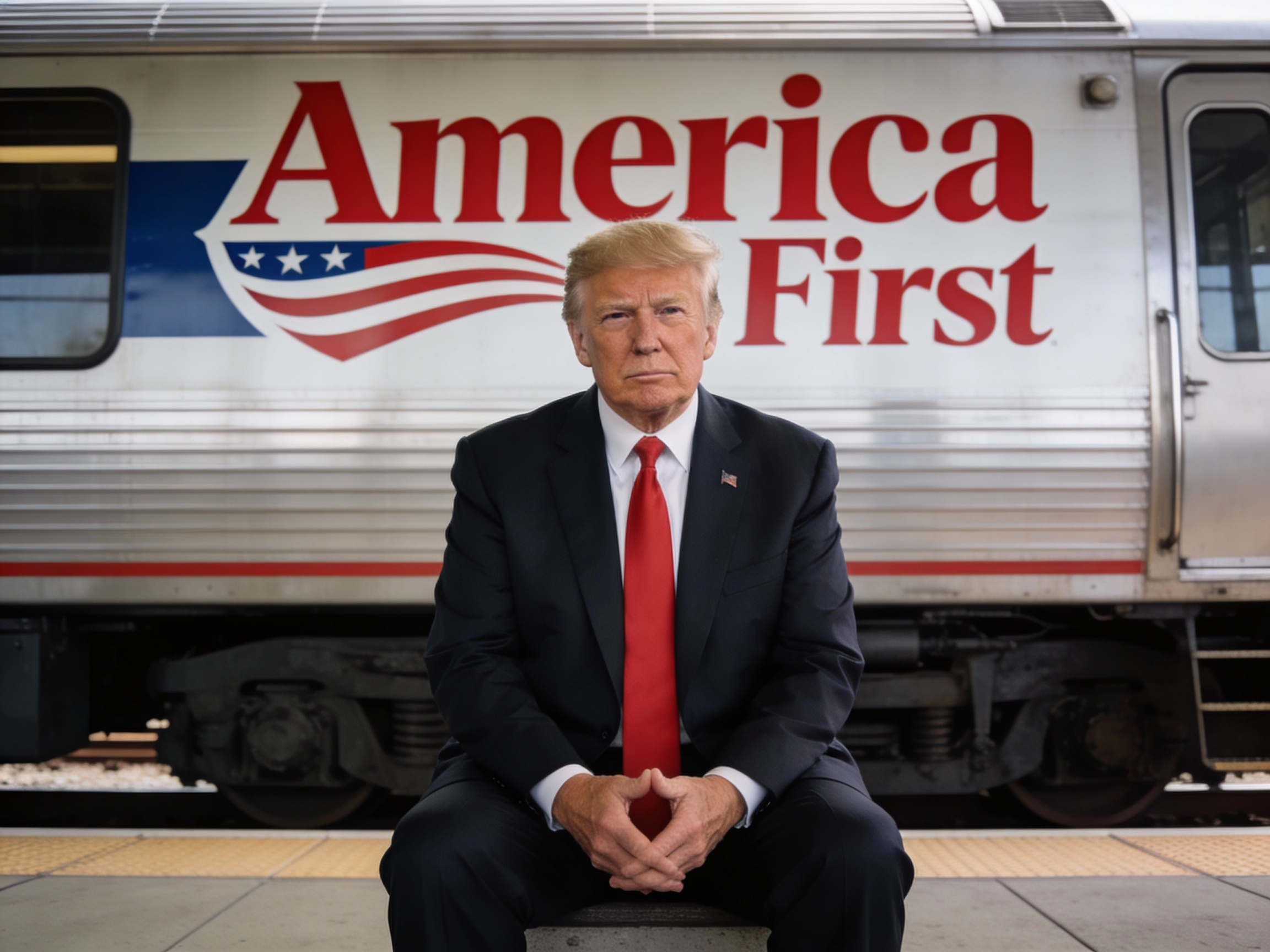
Picture: America is the locomotive.

Donald Trump stands in sharp contrast to this worldview. Trump is a populist. He speaks directly to voters, not global institutions. While the WEF elite promote globalization, open borders, and centralized decision-making, Trump represents national sovereignty, economic protection, and what he famously calls “America First.”

These are two opposing camps—and they are not on the same team. This is why Trump is deeply disliked in Davos. He challenges the system that benefits the global elite, and he refuses to speak their language or follow their script.

“America First” does not mean America alone. It means that a government’s first responsibility is to protect its own citizens. If Americans are safe, prosperous, and confident in their future, the country thrives. And when America thrives, the rest of the world benefits.

If America falls into chaos—economically, socially, or politically—the consequences are felt globally. The reason is simple: America is the engine of the world economy. It is the driver. The locomotive.

When America shines, the world shines.

Disclaimer: The views expressed in this article are those of the author and may not reflect those of Shinybull.com. The author has made every effort to ensure the accuracy of the information provided; however, neither Shinybull.com nor the author can guarantee the accuracy of this information. This article is strictly for informational purposes only. It is not a solicitation to make any exchange in precious metal products, commodities, securities, or other financial instruments. Shinybull.com and the author of this article do not accept culpability for losses and/ or damages arising from the use of this publication.

Leave a comment

Filed under Politics

World Economic Forum 2026 Kicks Off in Davos — and Donald Trump Leads Record U.S. Delegation

Davos, Switzerland — January 19, 2026
The annual World Economic Forum (WEF) gathering in the Swiss Alps begins this Monday under the theme “A Spirit of Dialogue.” Leaders from governments, business, civil society and science will convene through January 23 to confront what organizers call the most pressing global challenges of our time: geopolitical instability, economic fragmentation, technological disruption and climate change.

This year’s meeting is poised to be one of the most unpredictable yet — largely because U.S. President Donald Trump is attending in person and will lead the largest-ever American delegation to Davos.

Trump Returns to Davos with a Big Team

Trump’s presence is notable not only for its scale but also for its political symbolism. His administration will be accompanied by several Cabinet members and senior officials — including the Secretary of State, Treasury Secretary, Commerce Secretary, trade representatives, and top White House aides — marking a record-size U.S. contingent.

Last time Trump engaged with the forum, his participation was virtual and aired amid controversy. This year’s in-person return is expected to attract rock-star style attention and intense scrutiny from global leaders, the media and activists.

A “Spirit of Dialogue” Amid Global Tensions

The forum’s theme emphasizes cooperation and conversation in a world marked by deepening geopolitical fault lines. Amid economic competition, rising tariffs and shifting alliances, WEF organizers are pushing dialogue as essential for progress.

But Trump’s trademark slogan, “America First,” poses a direct challenge to the forum’s ethos of multilateral cooperation. Allies and competitors alike will be watching to see how — and if — Trump’s policies can align with broader global ambitions for cooperation, especially on trade, security and technology.

Key Issues on the Agenda

While WEF is traditionally focused on economic strategy and global collaboration, this year’s agenda is exceptionally crowded:

  • Geopolitical and security challenges: Ukraine remains a central topic, with talks planned involving U.S. officials and Ukrainian representatives about peace frameworks and reconstruction support.
  • Economic fragmentation: A recent WEF risk survey found that economic confrontation — including tariffs and trade tensions — has overtaken armed conflict as a top risk to global stability.
  • Artificial Intelligence: Discussions about how to govern and deploy AI responsibly are expected to be key, with tech leaders from companies such as Microsoft and Nvidia attending.
  • Business and innovation: With roughly 3,000 participants and about 850 CEOs from top global companies, business and investment outlooks will be central to many discussions.

Trump’s Global Footprint Heading into Davos

Trump’s foreign policy moves over the past year — from threats of tariffs over Greenland to confrontations with Iran and Venezuela — have reshaped parts of the international agenda. European leaders are preparing for high-stakes talks with the U.S., including possible retaliatory measures tied to trade tensions that are already threatening transatlantic unity.

Although climate and “woke” cultural topics were reportedly de-emphasized in programming after negotiations with U.S. officials, the core business of the forum — economic cooperation and innovation — remains indispensable.

A Pivotal Moment for Global Order

This year’s Davos is widely perceived as a test of whether global leaders can adapt the old world order to 21st-century challenges — or whether a fundamentally new framework for cooperation will emerge. With Trump’s America firmly in the spotlight and AI and economic confrontation rising as cross-cutting issues, the balance between national interests and collective global action will be under intense scrutiny.

As the world’s eyes turn to the Swiss Alps, the question is no longer whether dialogue will take place — but whether it can translate into real solutions.

Disclaimer: The views expressed in this article are those of the author and may not reflect those of Shinybull.com. The author has made every effort to ensure the accuracy of the information provided; however, neither Shinybull.com nor the author can guarantee the accuracy of this information. This article is strictly for informational purposes only. It is not a solicitation to make any exchange in precious metal products, commodities, securities, or other financial instruments. Shinybull.com and the author of this article do not accept culpability for losses and/ or damages arising from the use of this publication.

Leave a comment

Filed under Politics

China Development Forum is “Engaging with the world for common prosperity”

China`s WEF (World Economic Forum) started on March 25, and the forum`s last day is today. China`s WEF is called CDF (China Development Forum). CDF is committed to «Engaging with the World for Common Prosperity», the CDF is renowned as a high-level forum serving as an important platform for the Chinese government, global businesses, academia, and international organizations.

CDF 2023 is held in Beijing from 25th to 27th March, and the theme of this year`s forum is «Economic Recovery Opportunities and Cooperation». CDF`s slogan is «Engaging with the world for common prosperity».

IMF`s Managing Director Kristalina Georgieva had a speech at the CDF forum, and she said; «China`s economy is seeing a strong rebound, and the IMF`s January forecast puts GDP growth at 5,2% this year. A sizeable increase of more than 2% points from the 2022 rate.

This matters for China, and it matters for the world. The robust rebound means China is set to account for around one-third of global growth in 2023, giving a welcome lift to the world economy. And beyond the direct contribution to global growth, our analysis shows that a 1% point increase in GDP growth in China leads to a 0,3% point increase in development in other Asian economies, on average, a welcome boost.»

«So, what can policymakers do? Let me highlight two opportunities:

The first opportunity is to raise productivity and rebalance the economy away from investment, and towards more consumption-driven growth that is more durable, less reliant on debt, and will also help address climate challenges.

To get there, the social protection system must play a central role through higher health, and unemployment insurance benefits to cushion households against shocks.

At the same time, market-oriented reforms to level the playing field between the private sector, and state-owned enterprises, together with investments in education, would significantly lift the economy`s productive capacity.

The combined impact of these policies could be significant.

IMF research shows that productivity-enhancing reforms in China could lift real GDP by as much as 2,5% by 2027, and by around 18% by 2037. the growth that would be both higher quality and more inclusive.

What`s more, it would also help offset demographic pressures and narrow the gap to advanced economy income levels even faster. But the benefits of rebalancing don`t stop here, and this brings me to the second opportunity;

Green growth.

We welcome China`s goal of net-zero emissions by 2060. A commitment that underlines the importance of tackling climate change for long-term development. Unmitigated warming could lead to estimated GDP losses in China of between 0,5 and 2,3% as early as 2030.

China`s goal could lead to a reduction in carbon dioxide emissions of 15% over the next three decades. This translates into benefits for the whole world: a fall in global emissions of 4,5% over the same period.

Importantly, lower emissions mean a cleaner environment. This is good for people, as it helps to reduce pollution and improve air quality, and public health. And it`s also good for biodiversity.

The spirit of solidarity is very much needed in these difficult economic times. IMF`s role is to bring the members together to address global challenges.

China has played a constructive role in this regard, including through its contributions to our Poverty Reduction, and Growth Trust, its vital financing for our new Resilience, and Sustainability Trust, and helping highly-indebted countries.

In the months, and years ahead, continuing to support the world`s most vulnerable countries will be vital. We can only solve the world`s biggest challenges, and avoid the pitfalls of fragmentation, through cooperation.

Let us work together to foster more peace and prosperity. A global economy in full bloom», Kristalina Georgieva said in her speech at CDF 2023.

Apple`s CEO Tim Cook is one of the few US CEOs to attend CDF 2023. Some U.S. companies are sending only a few executives, but many others are boycotting the event. But Apple is one of the few U.S. companies that is doing great business in China, and Tim Cook is a regular attendee of the Forum.

Tim Cook has also co-chaired the event. CDF is an annual conference sponsored by the Chinese government. The event is an opportunity for Western corporations to speak with officials, and generally help the relationship between China and the West.

In addition to Apple, Pfizer, the founder of the world’s largest hedge fund, Ray Dalio`s, and his Bridgewater Associates, and Invesco`s president, Martin Flanagan, Procter & Gamble, and Blackstone attend the forum this year.

Despite the trade tension between China and the U.S., Apple is attending because China, South Korea, and Japan are the second largest area in the world for buying Apple hardware after the U.S. Money talks.

Picture; World Bank – The Belt and Road Initiative include 1/3 of world trade and GDP and over 60% of the world’s population.

China has always been ahead of the West. The silk road can be as much as 10,000 years old, and the name comes from the silk they sold in Europe. People in Europe didn`t know what silk was, so they believed that silk was growing on trees in China. But, how is it today?

We still have a similar situation. China is way ahead of the West. They are the factory of the world. And most of all; they are very innovative. And innovation is solving problems. Innovation growth and prosperity.

Why not build similar factories in the West? In Europe? Unfortunately, Europe and the West don`t have the same skills. Sorry, but it’s a fact.

China`s silk road is replaced by the Belt and Road initiative, Xi Jinping’s most ambitious foreign policy. It was launched in 2013, and it involves China underwriting billions of dollars of infrastructure investment in countries along the old Silk Road linking it with Europe. And their neighbor, Russia of course.

China is spending around $150 billion a year in the 68 countries that have signed up for the scheme they have. Xi Jinping`s ultimate aim is to make Eurasia (dominated by China) an economic, and trading area to rival the transatlantic one (dominated by America).

Disclaimer: The views expressed in this article are those of the author and may not reflect those of Shinybull.com. The author has made every effort to ensure the accuracy of the information provided; however, neither Shinybull.com nor the author can guarantee such accuracy. This article is strictly for informational purposes only. It is not a solicitation to make any exchange in precious metal products, commodities, securities, or other financial instruments. Shinybull.com and the author of this article do not accept culpability for losses and/ or damages arising from the use of this publication.
Leave a comment

Filed under Politics

We are at a turning point and “the great reset” has begun

There are a lot of people out there talking about «The Great Reset.» It is also known as the «Liberal World Order», and it can also refer to a conspiracy theory called New World Order. The term «Great Reset» comes from the World Economic Forum and Klaus Schwab.

Scwab wrote the preface to a 2010 report of the World Economic Forum`s «Global Redesign Initiative», which postulates that a globalized world is best managed by more vital multinational institutions.

According to the Transnational Institute (TNI), the WEF is planning to replace a recognized democratic model with a model where a self-selected group of «stakeholders» makes decisions on behalf of the people.

The think tank summarises that we are increasingly entering a world where gatherings such as Davos are «a silent global coup d`etat» to capture governance.

Naomi Klein, in a December 2020 article in The Intercept, described the WEF idea as a «Great Reset Conspiracy Smoothie.»

She said that it was simply a «coronavirus-themed rebranding» of things that the WEF was already doing and that it was an attempt by the rich to make themselves look good. Klein wrote that Schwab had given each meeting at Davos a theme since 2003. «The Great Reset is merely the latest edition of this gilded tradition, barely distinguishable from earlier Davos Big Ideas.

According to Klaus Schwab who wrote the book «The Great Reset,» the Great Reset Initiative is an economic recovery plan drawn up by the World Economic Forum (WEF) in response to the COVID-19 pandemic.

The project was launched in June 2020, with a video featuring the then Prince of Wales Charles released to mark its launch. The initiative`s state aim is to facilitate rebuilding from the global COVID-19 crisis in a way that prioritizes sustainable development.

WEF chief executive officer Klaus Schwab described three core components of the Great Reset: creating conditions for a «stakeholder economy», building in a more «resilient, equitable, and sustainable» way, utilizing environmental, social, and governance (ESG) metrics; and «harness(ing) the innovations of the Fourth Industrial Revolution.»

IMF`s director Kristalina Georgieva listed three key aspects of a sustainable response to COVID-19: green growth, smarter growth, and fairer growth.

«The Great Reset» was to be the theme of the 2021 WEF annual summit in Davos, scheduled for January 2021. Due to disruption from COVID-19, the summit was postponed to May 2021.

The Davos 2022 theme was «History at a Turning Point,» and the summit was dominated by the Russian invasion of Ukraine. So, the war in Ukraine is not only about the survival of Ukraine, but about the whole International world order.

The WEF sees opportunities and has this to say on its website: «As we enter a unique window of opportunity to shape the recovery, this initiative will offer insights to help inform all those determining the future of global relations, the direction of national economies, the priorities of societies, the nature of business models and the management of a global commons.

Drawing from the vision and vast expertise of the leaders engaged across the Forum`s communities, the Great Reset initiative has a set of dimensions to build a new social contract that honors the dignity of every human being.»

Disclaimer: The views expressed in this article are those of the author and may not reflect those of Shinybull.com. The author has made every effort to ensure the accuracy of the information provided; however, neither Shinybull.com nor the author can guarantee such accuracy. This article is strictly for informational purposes only. It is not a solicitation to make any exchange in precious metal products, commodities, securities, or other financial instruments. Shinybull.com and the author of this article do not accept culpability for losses and/ or damages arising from the use of this publication.

Leave a comment

Filed under Politics