
Tag Archives: Politics

A Historic Day for the Middle East: Defense, War, and the Challenge of Perspective

It is a very historic day for the Middle East today. A «Long and painful nightmare» is over, Trump says. Trump arrived in Tel Aviv to mark the release of Israeli hostages by the terrorist organization called Hamas.

Trump is very proud of this moment. Maybe the best moment of his life. Trump has done something that nobody before him has achieved. Trump has made peace in the Middle East. He released 20 living hostages. A day that none of their families thought would come.

Trump delivered a speech in which he said America joined its ally in two «everlasting vows»: Never forget, and never again.» He also said that the war is over. A war that was ugly, but Hamas is not alone.

Iran is the leading foreign backer of Hamas, whose attack on Israel on Oct. 7, 2023, saw 1.200 people killed and hundreds taken hostage. Weapons taken out of Libya during the chaotic post-2011 period ended up in many places.

UN and expert reporting show Libyan arsenals were looted and trafficked to many different places. According to author Hanne Nabintu Herland, Norway dropped 588 bombs in Libya, where millions of civilians were killed. Thousands of bombs were given to the terrorist organization Hamas after the war in Libya.

Israel has the right to defend itself, and Israel`s response and the ensuing war have left more than 67.000 Palestinians dead, including thousands of civilians, according to Gaza`s Health Ministry.

Gaza itself has been largely destroyed, with most buildings in ruins. It looks like Hiroshima during World War II. About 80% of Gaza has been destroyed. Is this the right thing to do? People and legacy media have criticized Israel for what they have done in Gaza. Was what Israel has done in Gaza Okay?

Let`s start with Israel. The Israeli-Palestinian conflict is one of the most complex and emotionally charged disputes in modern history. Few elements symbolize this tension more than the wall — or security barrier — that separates Israel from the Palestinian territories.

To understand why this wall exists and why Hamas remains at the heart of the story, we have to look back at what happened before its construction and how events unfolded afterward.

Israel built the wall because the terrorist organization Hamas attacked civilians in Israel. For many Palestinians, Hamas presented itself as a movement of resistance and social welfare — running schools, hospitals, and charity networks, especially in Gaza, where poverty and unemployment were widespread. But for Israel and much of the international community,

Hamas’s violent actions and refusal to recognize Israel’s right to exist made it a terrorist organization, a designation now shared by the United States, the European Union, Canada, and several others. So, the Israeli war was against the terrorists in Gaza. Not civilians in Gaza.

Before the Wall: Years of Violence

The 1990s and early 2000s were some of the bloodiest years in Israeli history, marked by a wave of suicide bombings, shootings, and other attacks carried out by Hamas and other militant groups. The Second Intifada (2000–2005) became a turning point.

Hamas’s attacks were frequent and devastating:

  • Bus bombings in Jerusalem and Tel Aviv targeted civilians commuting to work or school.
  • Restaurants, shopping malls, and markets were attacked, turning ordinary places into sites of tragedy.
  • The Sbarro restaurant bombing (2001) killed 15 people and injured more than 100.
  • The Dolphinarium discotheque bombing (2001) took the lives of 21 teenagers.
  • At the Hebrew University bombing (2002), nine were killed, including American students.

By the early 2000s, hundreds of Israeli civilians had been killed in suicide bombings. For Israelis, daily life became a constant state of alert. Ordinary activities — riding a bus, eating in a café, or sending a child to school — carried real danger.

Hamas justified these attacks as “resistance,” while Israel viewed them as terrorism designed to destroy peace efforts.

The Decision to Build the Wall

In 2002, amid the peak of the Second Intifada, Israel began constructing the security barrier — a combination of concrete walls, fences, and checkpoints — along the West Bank. The stated goal was simple: to stop suicide bombers and other infiltrations from Palestinian territories into Israeli cities.

The wall was — and still is — controversial.
For Israel, it was a defensive necessity that saved lives. After its construction, suicide bombings dropped by more than 90%. For Palestinians, however, it represented occupation and separation, cutting them off from farmland, workplaces, and family on the other side. The wall physically entrenched a psychological divide that had already existed for decades.

The Gaza Factor and Hamas’s Rise to Power

While the wall focused on the West Bank, Gaza was undergoing its own transformation. After years of pressure and violence, Israel withdrew from Gaza in 2005, removing settlements and military presence. The expectation was that Palestinians would take this opportunity to build a functioning, peaceful society.

Instead, political infighting erupted between Hamas and Fatah — the dominant Palestinian political faction led by Mahmoud Abbas. In 2007, Hamas violently seized control of Gaza, expelling Fatah forces and establishing a de facto Islamist government.

From that moment, Gaza’s relationship with Israel changed completely. Hamas began developing rocket capabilities, importing weapons, and digging tunnels under the border to carry out attacks or smuggle goods. The nature of the threat shifted from suicide bombings to indiscriminate rocket fire targeting southern Israel.

Towns like Sderot, Ashkelon, and Be’er Sheva faced years of rocket attacks. Israel responded with airstrikes and, on several occasions, full-scale military operations — each causing widespread destruction in Gaza and significant civilian casualties.

The Human Cost

Both sides have suffered immensely.
For Israelis, the threat from Gaza remains constant — alarms, shelters, and the fear of sudden attacks are part of daily life.
For Palestinians in Gaza, life is defined by poverty, unemployment, and blockades that restrict movement and trade. Thousands of civilians have been killed or displaced in repeated conflicts.

Hamas continues to reject Israel’s right to exist and invests heavily in military infrastructure — rockets, tunnels, and paramilitary forces — while ordinary Gazans struggle to access clean water, electricity, and healthcare.

Israel, for its part, argues that the blockade is a necessary security measure to prevent Hamas from rearming. Critics, including human rights groups, counter that it amounts to collective punishment and fuels further resentment.

A Cycle Without End

The wall did succeed in its primary purpose — it stopped most terrorist infiltrations into Israel. Yet, it also reinforced the sense of division, mistrust, and hopelessness between the two peoples. Hamas’s control over Gaza has created a political stalemate: Israel refuses to negotiate with a group committed to its destruction, while Hamas uses Israel’s restrictions to rally anger and support among Palestinians.

Every few years, the cycle repeats: rocket attacks, Israeli airstrikes, and devastating humanitarian crises. Each side claims victory; neither side wins peace.

Conclusion: Fear and Freedom

The story of Hamas, Israel, and the wall is not simply about terrorism or defense — it is about fear and survival, two emotions that dominate the landscape of the Middle East.
Israel built a wall because it felt it had no other choice. Hamas attacks because it believes violence is the only path to freedom. Between them are millions of people — Israelis and Palestinians — who simply want to live ordinary lives.

In the end, walls may stop bombers, but they cannot build trust. The challenge for both sides remains the same as it was before the first stone was laid: to find a way to balance security and justice, defense and dignity, fear and hope — the hardest balance of all.

So, why do nearly everybody criticize Israel for what they are doing in Gaza?

When Defense Becomes a Crime: A Double Standard in How the World Sees War

Today, it seems nearly every news outlet is focused on criticizing Israel for civilian casualties in Gaza. Headlines scream about women and children killed, often implying moral failure or injustice. And yet, when we look back at modern history, we see a striking pattern: war almost always claims innocent lives, no matter who is involved.

Take the 1999 NATO bombing of Yugoslavia. During 78 days of airstrikes, hundreds of civilians were killed, including children. The death of three-year-old Milica Rakić in her home in Batajnica became emblematic of the human cost of war. Serbia now has memorials, statues, and ceremonies honoring the children who died. Dozens of names are remembered publicly as a symbol of lives lost during the campaign. Cluster munitions, unexploded ordnance, and indiscriminate bombing caused these deaths — the same tragic consequences we lament in other conflicts today.

NATO was acting in what it claimed to be defense and stabilization, yet civilian casualties were inevitable. And yet, when similar actions are taken by other nations in their own defense, the global narrative often shifts. Israel, for example, builds walls and conducts targeted operations against groups like Hamas, whose own record includes attacks on civilians and using human shields. Israel emphasizes its right to protect its citizens from terrorism, just as NATO justified its actions in Serbia and elsewhere. But public opinion and media framing frequently focus only on one side of the equation.

The pattern is not new. History is full of wars where civilians suffered while the aggressors were vilified and the defenders celebrated — or vice versa, depending on perspective. What often changes is the narrative: who tells the story, which victims are remembered, and which are ignored. In Serbia, memorials commemorate the children killed by NATO; in Israel, civilians caught in crossfire are highlighted in international media. Both are real tragedies. Both are consequences of war.

At the heart of this is human nature. When a society or individual is threatened, defense is instinctive. If harm persists, measures escalate. Walls are built. Armies act. Lives are lost. History shows repeatedly that the morality of defense is complicated by the inevitability of collateral damage. Civilian deaths are always tragic, yet they are not always evidence of moral failure — often, they are evidence of the harsh realities of conflict.

The lesson is clear: to truly understand war and peace, we must look honestly at all sides. Criticism must be proportional, and we must remember that war does not spare innocence. Nations act to survive; civilians sometimes pay the price. Recognizing this complexity is not the same as justification — it is acknowledgment of reality.

If the global community wishes to promote peace, it must do so consistently. Selective outrage, when only certain wars or victims are highlighted, distorts understanding and prevents meaningful solutions. Every civilian life lost, whether in Serbia, Gaza, Iraq, or elsewhere, deserves remembrance. Every act of defense, every effort to protect citizens, deserves careful analysis.

War is tragic, complex, and unavoidable in human history. Only by recognizing its patterns, learning from them, and holding ourselves to consistent moral standards can we hope to reduce suffering and approach a more peaceful world.

Leave a comment

Filed under Politics

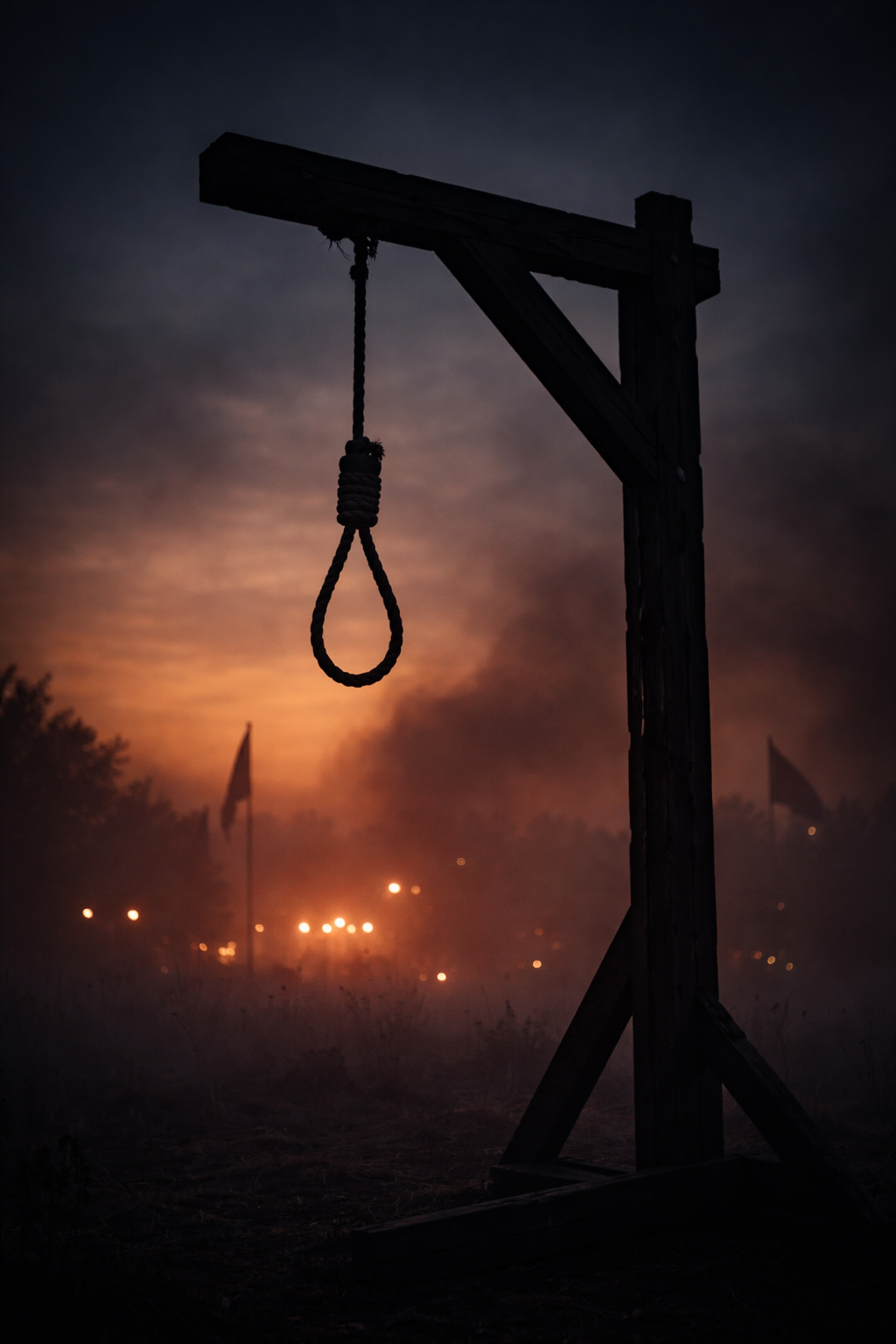
Diplomacy or Weapons as the Way to Peace?

“Every war begins with the illusion of victory. Every peace begins with the courage of dialogue. Which will we choose?”

History has already shown us the price of arrogance. Twice in the last century, the world descended into total war because nations believed they had no choice but to fight and that they had to win. Today, as leaders repeat the same words, we stand once again at the edge of disaster.

The world has already witnessed two devastating global conflicts — the First and Second World Wars. Now, many fear that we stand on the brink of a Third. The war in Ukraine rages on, while violence flares in Israel and Gaza. What is striking is that leaders on all sides declare that they must win. Even NATO’s former Secretary General Jens Stoltenberg has insisted that “weapons are the way to peace.”

But have we truly learned nothing from history?

After the First World War, nations attempted to chart a new course. The Treaty of Versailles of 1919 and the creation of the League of Nations were intended to establish an international order in which diplomacy, rather than war, would resolve conflicts. The idea was collective security: dialogue, negotiation, and the prevention of another catastrophic war.

And yet, within two decades, the world was plunged into an even deadlier conflict. The League of Nations failed because nationalism, greed, and great-power rivalry proved stronger than the will to compromise. Diplomacy was drowned out by ambition, unresolved grievances, and economic instability.

It feels eerily similar today. We see frozen conflicts, festering grievances, and leaders proclaiming that victory — and only victory — is the only acceptable outcome. But as history shows, not everyone can win.

Think of a football match: two teams, both determined to be victorious. Only one side can claim the win after 90 minutes. But wars do not have a clock. Wars end only when destruction, exhaustion, or overwhelming force brings them to a halt. In the past, that sometimes meant entire armies fighting to the last man. In the 20th century, it meant the atomic bomb. It was not diplomacy that ended the Second World War — it was unprecedented violence.

This raises an unsettling truth: humans often respond more to fear than to reason. Diplomacy, without urgency, is easily dismissed. But when fear peaks — when cities are destroyed, when civilians suffer, when nuclear annihilation looms — only then do leaders suddenly discover the language of negotiation.

If history repeats itself, then humanity may once again stumble toward self-destruction. The tragic irony is that while weapons may bring silence to the battlefield, they rarely bring true peace. Peace, lasting peace, requires the courage to pursue diplomacy before fear takes control.

Because if “weapons are the way to peace,” we may find that peace comes only after there is nothing left to save.

Fear, it seems, is the actual driver of humanity. Diplomacy is too often dismissed until it is too late. And when diplomacy fails, fear and destruction rule.

History is clear: bombs may end wars, but they do not prevent them from happening. Dialogue does.

Diplomacy is not a sign of weakness – it is a sign of wisdom. If history teaches us anything, it is this: bombs can end wars, but only dialogue can prevent them. The choice is ours, and the clock is ticking.

Disclaimer: The views expressed in this article are those of the author and may not reflect those of Shinybull.com. The author has made every effort to ensure the accuracy of the information provided; however, neither Shinybull.com nor the author can guarantee the accuracy of this information. This article is strictly for informational purposes only. It is not a solicitation to make any exchange in precious metal products, commodities, securities, or other financial instruments. Shinybull.com and the author of this article do not accept culpability for losses and/ or damages arising from the use of this publication.
Leave a comment

Filed under Politics

“Is Hate Speech Really Free Speech?”

Freedom of speech is one of our most cherished rights, yet it’s also one of the most misunderstood. Where do we draw the line between free expression and harassment? When mocking becomes humiliation, and jokes turn into attacks, dignity is lost. And dignity, just like freedom, is a human right.

Freedom of speech is one of the most important rights in democratic societies. It allows people to express thoughts, ideas, and beliefs publicly without fear of government censorship or punishment. This includes spoken words, written expression, art, and the exchange of information.

But freedom of speech is not absolute. A central question remains: Is hate speech really free speech, or does it cross into something else, harassment, abuse, and the violation of human dignity?

(Picture: Reflection: When Disrespect Becomes the Norm

The public treatment of leaders is a mirror of society’s values. Since 2016, we have seen how mockery and humiliation, like the “Trump balloon,” are used not to challenge policies, but to strip a person of dignity. Whether or not one agrees with Trump, the method of ridicule says more about us than about him.

When humiliation replaces respectful disagreement, it weakens the foundations of democracy. It creates a culture where harassment becomes normalized, spreading to schools, workplaces, and everyday life. If the West tolerates public harassment at the highest levels, how can we hope to eliminate bullying and harassment among teenagers?

Freedom of speech is not a license to abuse. A society that wants to survive and grow stronger must defend both freedom and dignity, because without dignity, freedom eventually collapses.)

The Limits of Free Speech

While free speech is widely protected, democratic societies do place boundaries on it. According to the First Amendment in the U.S. and Article 19 of the Universal Declaration of Human Rights, restrictions are lawful when necessary to protect:

  • Public order
  • National security
  • Public health
  • The rights and reputations of others

Categories such as incitement to violence, true threats, defamation, obscenity, and fraud are not protected speech. In other words, freedom of speech is not a license to abuse.

When Speech Becomes Harassment

Harassment goes beyond free expression. It is a form of discrimination that involves unwanted, offensive, intimidating, or humiliating behavior. Examples include:

  • Derogatory jokes, racial or ethnic slurs
  • Unwanted comments about religion or appearance
  • Pressure for sexual favors
  • Offensive graffiti, cartoons, or images

Harassment can take different forms:

  1. Verbal or written (insults, threats, degrading comments)
  2. Physical (unwanted contact, intimidation)
  3. Visual (symbols, gestures, offensive imagery)

When harassment becomes repetitive, it turns into bullying, often leaving lasting emotional scars. At its worst, harassment and humiliation constitute psychological abuse and may even lead to criminal charges.

Freedom of Speech vs. Human Dignity

Here lies the conflict: freedom of speech is a right, but human dignity is also a right. Dignity means recognizing the intrinsic value of every human being and treating them with respect.

Mocking or humiliating people, whether powerful leaders or ordinary individuals, strips them of their dignity. It erodes respect. And if harassment is normalized at the highest levels of media and comedy, how can we expect young people in schools to learn respect and kindness?

A Question for Media and Comedians

Since 2016, comedians and media outlets have mocked, criticized, and even harassed the most powerful man on the planet. Some say it’s fair satire; others see it as relentless humiliation. But here’s the real issue: if harassment is accepted at the top of society, how can it be eliminated in classrooms, workplaces, or online communities?

The principle is simple: free speech must not become a weapon to degrade others.

Respect as the Foundation

Every person, regardless of power, status, or circumstance, deserves:

  • Respect: showing esteem for their humanity
  • Dignity: recognizing their inherent worth
  • Equality: treating all people fairly

Speech that destroys these values is not freedom—it’s abuse.

The Role of Platforms

In the digital era, platforms amplify speech through Section 230 protections in U.S. law, which shield platforms from being sued for user content. However, the responsibility ultimately lies with the individual: what you post online is your responsibility.

Social media can either become a space for respectful dialogue or a weapon of harassment. The choice belongs to us.

Conclusion

Free speech is vital to democracy, but it comes with responsibility. Hate speech, harassment, and humiliation are not the same as free expression; they are violations of dignity.

The way forward is not to silence voices, but to promote respect, reject harassment, and recognize that freedom without responsibility can lead to abuse.

Disclaimer: The views expressed in this article are those of the author and may not reflect those of Shinybull.com. The author has made every effort to ensure the accuracy of the information provided; however, neither Shinybull.com nor the author can guarantee the accuracy of this information. This article is strictly for informational purposes only. It is not a solicitation to make any exchange in precious metal products, commodities, securities, or other financial instruments. Shinybull.com and the author of this article do not accept culpability for losses and/ or damages arising from the use of this publication.
Leave a comment

Filed under Politics

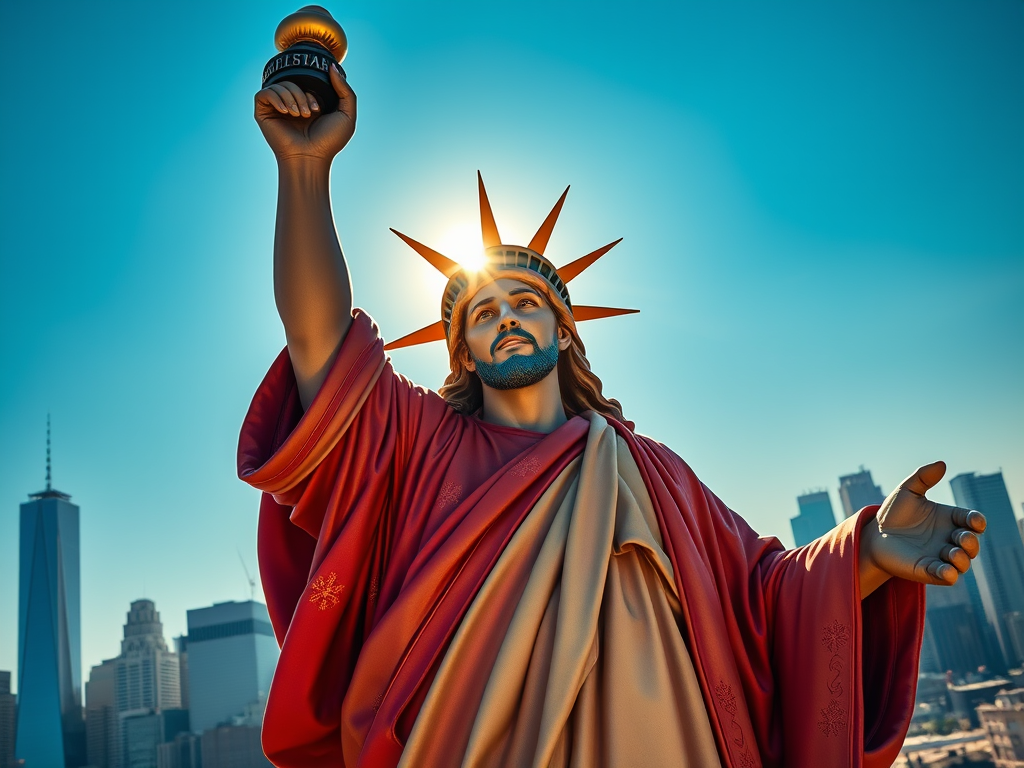
Jesus and God: The Anchor in Times of Loss

At Charlie Kirk’s funeral, the atmosphere was heavy with grief, yet also charged with hope. Friends, family, and followers reflected on Kirk’s legacy, weaving together memories of his activism with deep expressions of faith.

What stood out most wasn’t politics or ideology. It was the repeated invocation of Jesus and God as the ultimate source of comfort.

When tens of thousands gathered to honor Charlie Kirk, it quickly became clear that the memorial was not merely about a man. It was about something far greater: faith in Jesus Christ and the eternal hope found in God.

(Picture: A golden sunrise breaking through clouds – symbolizing hope, resurrection, and God’s eternal light after darkness.)

Speakers reminded the congregation that Kirk’s life, though tragically cut short, was not the end of his story. “Charlie is watching from above,” one said, pointing to the Christian belief in eternal life. The message was clear: while death silences the body, the soul remains alive in the presence of God.

This belief is not abstract. The Bible itself reassures the grieving: “He will wipe away every tear from their eyes, and death shall be no more” (Revelation 21:4). Such promises shift the perspective from despair to hope, from loss to continuity.

The funeral also underlined a greater truth. That faith provides resilience when the world seems unbearable. Whether one personally shares this faith or not, the testimony of the mourners demonstrated how belief in God can transform sorrow into strength.

Speakers repeatedly returned to the same truth. Charlie’s life was grounded in the Gospel. His wife, Erika Kirk, delivered words that stunned many: “I forgive him because it is what Christ did, and it is what Charlie would do.” In those few sentences, she reminded the world that forgiveness is not a sign of weakness, but rather a divine strength.

Her words echoed Jesus Himself: “Father, forgive them, for they do not know what they are doing.”

The service emphasized that political ideology is not the ultimate solution for humanity’s struggles. As Tucker Carlson boldly put it, “The real solution is Jesus, not politics.” Senator Marco Rubio also spoke of salvation history, pointing to Christ’s suffering, death, resurrection, and promised return.

These are not abstract ideas. They are the very heartbeat of Christianity. Charlie Kirk’s friends and loved ones testified that his mission was not only to debate culture and politics but also to lead people to Christ.

He wanted to save young men from despair, hatred, and sin, pointing them to a better path in God.

Faith also framed the way people spoke about Charlie’s death. Again and again came the assurance that he is “watching from above.” That his soul is in the hands of God. This belief brought comfort to thousands, serving as a reminder that life is more than what we see.

Ultimately, the memorial turned into a proclamation: Jesus is Lord, God is faithful, and forgiveness is possible even in the darkest hour.

The takeaway is simple but profound: human leaders rise and fall, tragedies strike without warning, but God remains constant. In the words of Christ:

I am the way, the truth, and the life. No one comes to the Father except through me.”

Charlie Kirk’s life and death are now a testimony to that truth.

Many people around the world don’t believe. Many are sceptical, and perhaps the deepest response to skepticism about faith comes not from a preacher, but from psychiatrist Carl Jung himself. He had a lot of clients and saw things ordinary people didn`t see.

When asked if he believed in God, Jung replied: “Believe? I know!”

That certainty. The unshakable conviction that God is real was the foundation of Charlie Kirk’s life and mission. It is also the hope that sustains millions today.

Disclaimer: The views expressed in this article are those of the author and may not reflect those of Shinybull.com. The author has made every effort to ensure the accuracy of the information provided; however, neither Shinybull.com nor the author can guarantee the accuracy of this information. This article is strictly for informational purposes only. It is not a solicitation to make any exchange in precious metal products, commodities, securities, or other financial instruments. Shinybull.com and the author of this article do not accept culpability for losses and/ or damages arising from the use of this publication.
Leave a comment

Filed under Politics

From 9/11 to 10/11

The Assassination of Charlie Kirk and Its Impact on America

Many people remember September 11, 2001 — a day that changed America forever. Now, September 10, 2025, will also be etched into history.

On that day, a sniper shot and killed Charlie Kirk in Utah. But this was not only an attack on a man — it was an attack on the very foundations of the United States: democracy, freedom of speech, and the core American values that millions cherish.

Former President Donald Trump said in a speech afterward:

“The assassin tried to silence Charlie with a bullet, but he failed. We will ensure that his voice, his message, and his legacy will live on for countless generations.”

Paradoxically, the attempt to silence Kirk has amplified his voice. His message now resonates louder than ever before.

A Pattern of Violence

This is not the first act of political violence against conservative figures.
Donald Trump himself survived an assassination attempt last year. Congressman Steve Scalise was shot. A man armed with a rifle went to Justice Brett Kavanaugh’s home. Rand Paul was violently attacked by a neighbor, breaking his ribs.

Even beyond politics, chaos has escalated: riots in Los Angeles, trans shooters killing children, Jewish people shot outside an embassy, and ICE agents receiving death threats so severe that they wear masks to protect their families. Elon Musk’s car was reportedly firebombed.

Social Media’s Dark Celebration

Perhaps most shocking of all were the reactions online. The Daily Mail reported on videos showing left-wing extremists openly celebrating Kirk’s death. Many said he “deserved to be shot.”

For many Americans, this response was deeply disturbing — not just because of the murder itself, but because of the apparent normalization of hate and violence on social media.

Part of a Tragic American Pattern

Kirk’s name now joins a tragic list in American history: Abraham Lincoln, John F. Kennedy, Robert F. Kennedy, Martin Luther King Jr., and Malcolm X — all assassinated for standing up for their beliefs.

The FBI has stated that the ammunition used in the Kirk assassination was engraved with transgender and antifascist slogans. Utah police noted that the state still has the death penalty, and prosecutors are considering its use in this case.

A Turning Point?

Charlie Kirk was the CEO of Turning Point Action, a powerful voice for conservative youth. His death raises a haunting question:

Will this be a turning point for America — or just another chapter in a growing era of political hatred?

One thing is sure: just as 9/11 changed America, 10/11 will be a date the world will remember.

Disclaimer: The views expressed in this article are those of the author and may not reflect those of Shinybull.com. The author has made every effort to ensure the accuracy of the information provided; however, neither Shinybull.com nor the author can guarantee the accuracy of this information. This article is strictly for informational purposes only. It is not a solicitation to make any exchange in precious metal products, commodities, securities, or other financial instruments. Shinybull.com and the author of this article do not accept culpability for losses and/ or damages arising from the use of this publication.

Leave a comment

Filed under Politics