
“Every war begins with the illusion of victory. Every peace begins with the courage of dialogue. Which will we choose?”
History has already shown us the price of arrogance. Twice in the last century, the world descended into total war because nations believed they had no choice but to fight and that they had to win. Today, as leaders repeat the same words, we stand once again at the edge of disaster.
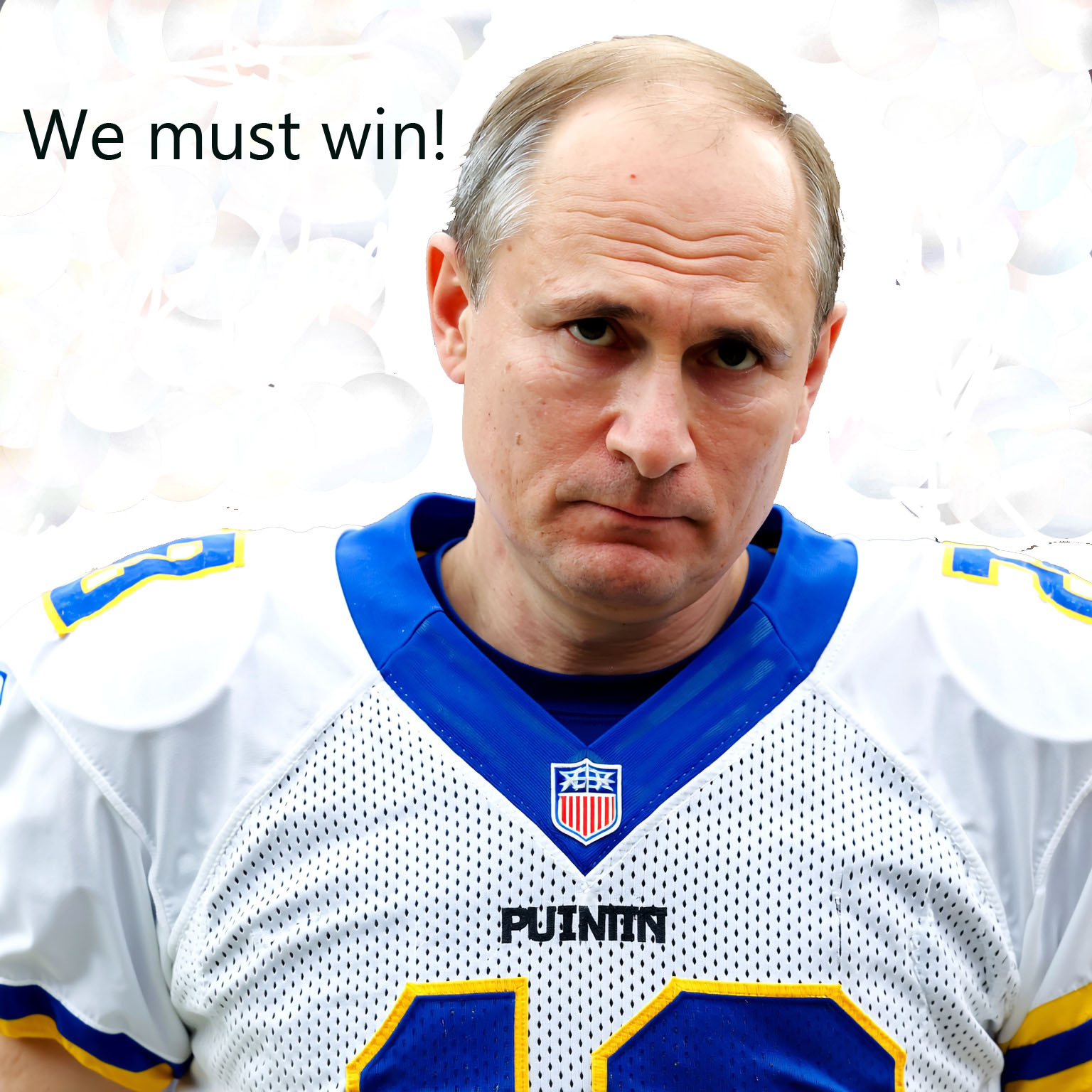
The world has already witnessed two devastating global conflicts — the First and Second World Wars. Now, many fear that we stand on the brink of a Third. The war in Ukraine rages on, while violence flares in Israel and Gaza. What is striking is that leaders on all sides declare that they must win. Even NATO’s former Secretary General Jens Stoltenberg has insisted that “weapons are the way to peace.”
But have we truly learned nothing from history?
After the First World War, nations attempted to chart a new course. The Treaty of Versailles of 1919 and the creation of the League of Nations were intended to establish an international order in which diplomacy, rather than war, would resolve conflicts. The idea was collective security: dialogue, negotiation, and the prevention of another catastrophic war.
And yet, within two decades, the world was plunged into an even deadlier conflict. The League of Nations failed because nationalism, greed, and great-power rivalry proved stronger than the will to compromise. Diplomacy was drowned out by ambition, unresolved grievances, and economic instability.
It feels eerily similar today. We see frozen conflicts, festering grievances, and leaders proclaiming that victory — and only victory — is the only acceptable outcome. But as history shows, not everyone can win.
Think of a football match: two teams, both determined to be victorious. Only one side can claim the win after 90 minutes. But wars do not have a clock. Wars end only when destruction, exhaustion, or overwhelming force brings them to a halt. In the past, that sometimes meant entire armies fighting to the last man. In the 20th century, it meant the atomic bomb. It was not diplomacy that ended the Second World War — it was unprecedented violence.
This raises an unsettling truth: humans often respond more to fear than to reason. Diplomacy, without urgency, is easily dismissed. But when fear peaks — when cities are destroyed, when civilians suffer, when nuclear annihilation looms — only then do leaders suddenly discover the language of negotiation.
If history repeats itself, then humanity may once again stumble toward self-destruction. The tragic irony is that while weapons may bring silence to the battlefield, they rarely bring true peace. Peace, lasting peace, requires the courage to pursue diplomacy before fear takes control.
Because if “weapons are the way to peace,” we may find that peace comes only after there is nothing left to save.
Fear, it seems, is the actual driver of humanity. Diplomacy is too often dismissed until it is too late. And when diplomacy fails, fear and destruction rule.
History is clear: bombs may end wars, but they do not prevent them from happening. Dialogue does.
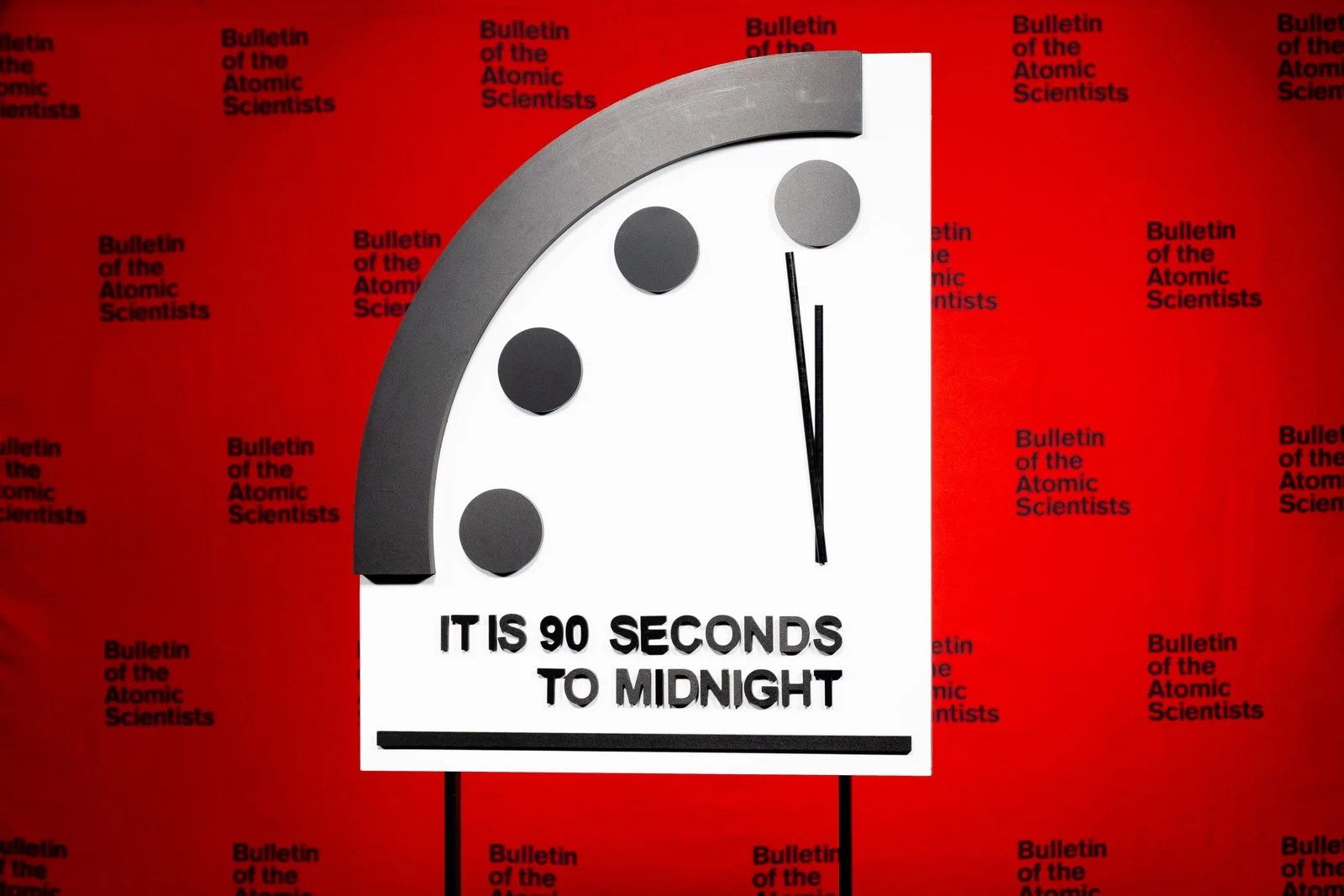
Diplomacy is not a sign of weakness – it is a sign of wisdom. If history teaches us anything, it is this: bombs can end wars, but only dialogue can prevent them. The choice is ours, and the clock is ticking.

Disclaimer: The views expressed in this article are those of the author and may not reflect those of Shinybull.com. The author has made every effort to ensure the accuracy of the information provided; however, neither Shinybull.com nor the author can guarantee the accuracy of this information. This article is strictly for informational purposes only. It is not a solicitation to make any exchange in precious metal products, commodities, securities, or other financial instruments. Shinybull.com and the author of this article do not accept culpability for losses and/ or damages arising from the use of this publication.



 Ket Garden
 Business, Politics, Finans