
Throughout history, a clear pattern emerges: those who stand up for justice, freedom, and human dignity often become targets of violence or repression. From religious leaders to political activists, many have paid the ultimate price—or suffered imprisonment—for their message.
Lincoln was shot because he was working on human rights. John F. Kennedy was shot because he was working on human rights. Martin Luther King Jr was shot because he was working on human rights. Olof Palme was shot because he was working on human rights. Lincoln was shot at a theater. So was Olof Palme.
Jesus – The First Great Human Rights Advocate?
Jesus of Nazareth, who lived over 2,000 years ago, can be seen as one of the earliest and most significant champions of human dignity. He taught love, forgiveness, and equality, consistently placing the marginalized and oppressed at the center of his message.
His teachings challenged both religious authorities and the political powers of his time, symbolizing a new understanding of justice and humanity. As a result, he was perceived as a threat—not only to religious leaders but also to the Roman authorities. His fate, crucifixion, demonstrates how power often reacts violently to those who challenge it.

Lincoln, Kennedy, MLK, Gandhi, Palme, Thrane, and Other Advocates
History echoes itself in remarkable ways:
- Abraham Lincoln abolished slavery in the United States. He was assassinated in 1865 by John Wilkes Booth, who viewed him as a threat to the Southern states.
- John F. Kennedy, U.S. President and advocate for civil rights, was shot in 1963.
- Martin Luther King Jr. led the fight for African American rights and was assassinated in 1968.
- Robert F. Kennedy was killed during the 1968 presidential campaign; he, too, championed equality and justice.
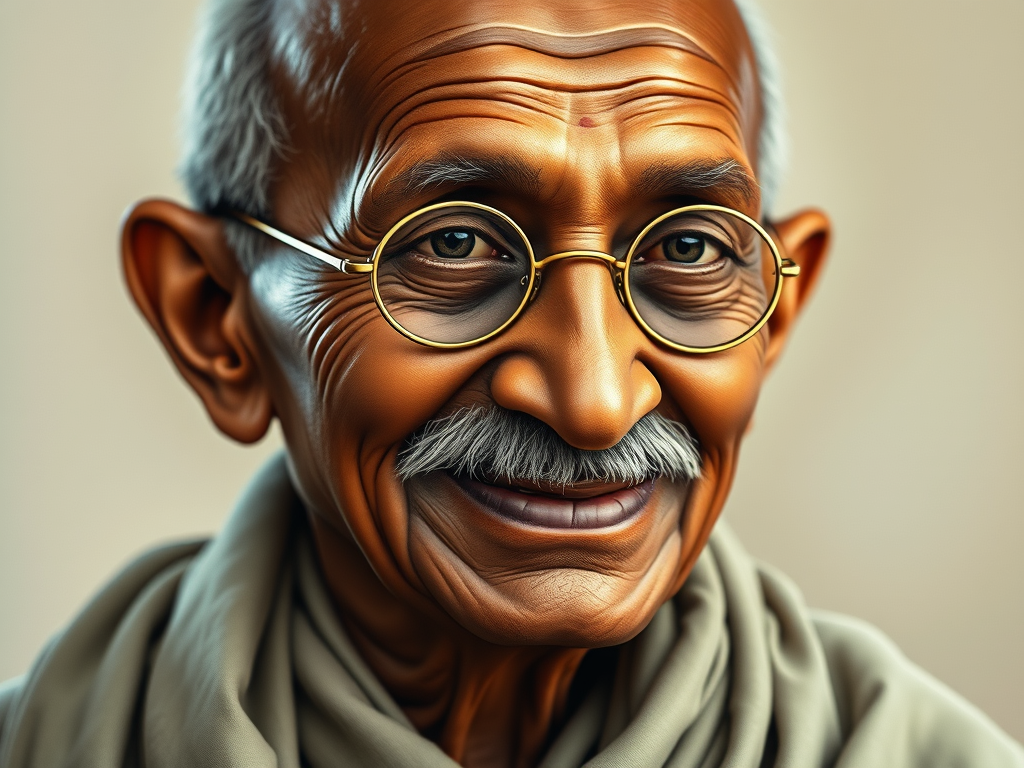
- Mahatma Gandhi fought for India’s independence and nonviolent resistance, and was assassinated by a Hindu extremist in 1948.
- Óscar Romero, Archbishop of El Salvador, was murdered in 1980 for defending the poor and oppressed.
- Olof Palme, Prime Minister of Sweden, was assassinated in 1986 for his outspoken support for human rights, both domestically and internationally. Palme advocated for social welfare, equality, and global justice, and spoke out against oppression worldwide.
- Marcus Thrane, Norway (1817–1890), was a pioneering labor and social reform leader. He fought for workers’ rights, universal male suffrage, and social equality. Though not assassinated, Thrane was imprisoned for challenging authorities, showing that human rights advocacy often provokes severe repression.
Why These Individuals Were Seen as Threats
Human rights advocates challenge power structures:
- They question privilege and the status quo.
- They mobilize people and give a voice to the oppressed.
- They become symbols—living icons of hope and change.
Extremists or authorities who respond with violence or repression may include:
- Political extremists who aim to maintain unjust systems.
- Religious extremists who feel threatened by their beliefs or traditions.
- Authoritarian regimes are unwilling to tolerate criticism or popular mobilization.
A Timeline of Human Rights Advocates Who Faced Assassination or Repression
| Year | Name | Role / Contribution | Circumstances |
|---|---|---|---|
| ~30 AD | Jesus of Nazareth | Advocated love, equality, and justice | Crucified in Jerusalem; seen as a threat by religious and political powers |
| 1851 | Marcus Thrane | Norwegian labor and social reformer | Imprisoned for activism and challenging authorities |
| 1865 | Abraham Lincoln | U.S. President; abolished slavery | Assassinated by John Wilkes Booth |
| 1948 | Mahatma Gandhi | Indian independence leader; nonviolent resistance | Assassinated by Hindu extremist Nathuram Godse |
| 1963 | John F. Kennedy | U.S. President; civil rights supporter | Assassinated in Dallas |
| 1965 | Malcolm X | African-American civil rights leader | Assassinated by political/religious extremists |
| 1968 | Martin Luther King Jr. | Civil rights leader; racial equality | Assassinated by James Earl Ray |
| 1968 | Robert F. Kennedy | U.S. Senator; civil rights advocate | Assassinated by Sirhan Sirhan |
| 1980 | Óscar Romero | Archbishop; defender of the poor | Murdered by military-backed death squad |
| 1986 | Olof Palme | Prime Minister of Sweden; human rights and global justice | Assassinated in Stockholm while walking home |
A Pattern Through History
From Jesus to MLK, Gandhi, Palme, and Thrane, a consistent thread is evident: those who dare to fight for human rights place themselves at risk. Assassinations and imprisonments of such individuals are not random; they represent a perceived threat to power and control.
Yet, their deaths or repression often amplify their influence rather than end it. They become symbols inspiring millions, showing that the fight for justice continues even after the heroes are gone.
Conclusion
History teaches us that standing up for justice can be dangerous, but also essential. From the crucifixion of Jesus to modern human rights defenders like Olof Palme and reformers like Marcus Thrane, we see how power and oppression react to threats and how individuals can transform the world through courage and conviction.

Disclaimer: The views expressed in this article are those of the author and may not reflect those of Shinybull.com. The author has made every effort to ensure the accuracy of the information provided; however, neither Shinybull.com nor the author can guarantee the accuracy of this information. This article is strictly for informational purposes only. It is not a solicitation to make any exchange in precious metal products, commodities, securities, or other financial instruments. Shinybull.com and the author of this article do not accept culpability for losses and/ or damages arising from the use of this publication.

 Ket Garden
 Shiny bull